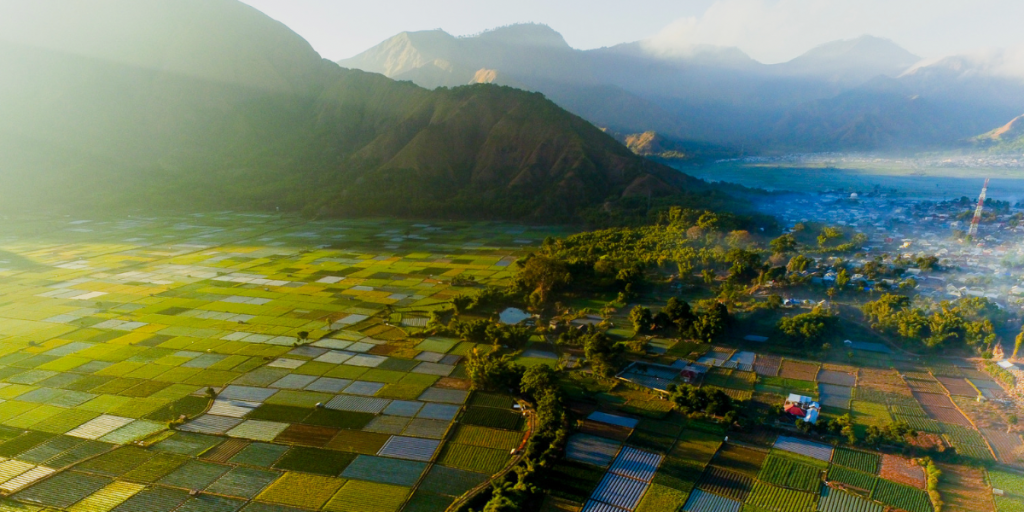
Ecotourism is more than just a trend; it’s a solution for Indonesia’s sustainable tourism future. Ecotourism, or nature-based tourism, represents a powerful approach to balancing environmental preservation with community empowerment. With Indonesia’s abundant natural wonders, from lush mountains to coral reefs, ecotourism serves as a vital strategy for harmonizing the interests of travelers, nature, and local communities.
Why Ecotourism Matters for Indonesia

With more than 17,000 islands rich in biodiversity, Indonesia ranks among the world’s top ten most biodiverse countries. Yet, these resources face constant threats from uncontrolled tourism practices. According to data from the Ministry of Tourism, ecotourism offers a way to minimize these negative impacts through responsible tourism. Ecotourism encourages travelers to engage with nature positively, learning the importance of conservation while enjoying unique experiences.
The Benefits of Ecotourism

Ecotourism provides immense benefits for both the environment and the surrounding communities. Here are some key advantages of implementing ecotourism in Indonesia:
1. Protecting Biodiversity
Ecotourism promotes tourism that prioritizes environmental and habitat conservation. With proper management, ecotourism sites can be shielded from damaging exploitation.
2. Supporting Local Livelihoods
Ecotourism provides direct economic benefits to local communities. Locals can offer homestays, crafts, and guiding services, boosting income and enhancing livelihoods. This income also reduces reliance on environmentally harmful activities.
3. Educating Visitors
Ecotourism involves educating visitors on conservation. Local guides share insights about local flora, fauna, and conservation efforts, fostering a deeper appreciation of the environment
4. Lowering Carbon Footprint
With an emphasis on nature, ecotourism encourages eco-friendly activities like trekking, biking, or snorkeling, which helps reduce carbon footprints.
How to Implement Ecotourism in Indonesia
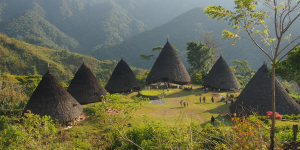
Implementing ecotourism effectively requires commitment and collaboration from government, businesses, and local communities. Here are some proven steps to jumpstart ecotourism in Indonesia:
- Community-Based Management: Engaging local communities in tourism management fosters ownership and sustainable stewardship.
- Environmental Education for Tourists: Raising visitors’ awareness of conservation issues can be achieved through competent guides and educational materials.
- Using Eco-Friendly Technology: Tourism businesses can leverage technology with minimal environmental impact such as solar power, waste treatment, and restrictions on single-use plastics.
- Strict Regulations and Supervision: Government support is essential for enforcing strict regulations to protect conservation areas from over-tourism.
- Sustainable Infrastructure Development: Developing eco-friendly infrastructure, like trekking paths, information centers, and sustainable sanitation facilities, enhances visitor comfort without harming the environment.
Long-Term Commitment and Support

Ecotourism is not an instant solution; its success depends on long-term commitment from all stakeholders involved. Government, businesses, communities, and tourists must collaborate to realize a sustainable tourism vision in Indonesia. By conserving nature, we create memorable experiences for travelers while safeguarding Indonesia’s rich heritage for generations to come.
With ecotourism, Indonesia demonstrates its commitment to protecting the environment while promoting tourism. Now is the time for those of us in hospitality management to champion sustainable tourism practices in preserving Indonesia’s beauty. As Marclan International, we are proud to contribute to this vision. We strongly support and invite everyone to be part of this journey toward a more sustainable and fulfilling tourism experience.
Source: Indonesia’s Ministry of Tourism and Creativity, WWF Indonesia